


RF ONLINE NEXT
3.9510.00 Reviews
App Specs
- Version
- 1.29.8
- Updated On
- License
- Free
- Downloads
- 1,000,000+
- Developer
- Netmarble
- Categories
- Role Playing
- Platform
- Android
Screenshots
 Analysis by AppCompare
I approached RF ONLINE NEXT as a long-session role-playing game rather than something to open for five minutes between errands. That distinction matters. Netmarble’s sci-fi MMORPG asks for attention, patience, and a willingness to learn its rhythm, while its free entry makes it easy to test without committing money first. I found the most enjoyable experience came from treating each session as part of a longer routine: check the character, decide on one practical goal, improve equipment or progression, then stop before the game turns into background noise.
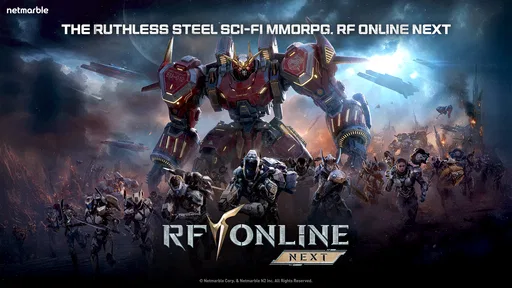
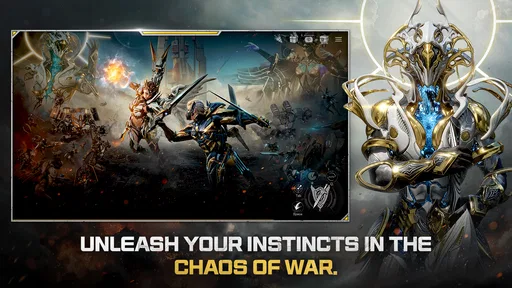
The setting gives the game a clear identity. This is not a medieval fantasy adventure with a science-fiction skin; its appeal comes from the combination of ruthless combat, futuristic presentation, and the social scale associated with an MMORPG. The mature 17+ rating also signals that the tone is aimed at older players. Anyone expecting a light, family-friendly role-playing game should keep that in mind before installing it.
How I settled into the everyday workflow
My first useful habit was to avoid chasing every available activity at once. A large online role-playing game can quickly fill the screen with objectives, upgrades, rewards, and distractions. In this one, I got more from choosing a simple order: review what my character needs, follow the most sensible progression task, and only then spend time experimenting. That approach reduced the feeling of constantly reacting to prompts.
A normal session works best when I begin by checking my current equipment and resources. I look for upgrades that improve the character immediately instead of spending everything on small changes with no clear benefit. After that, I select a combat or progression objective that fits the time I have available. If I only have a short break, I avoid starting something that requires uninterrupted concentration. If I have a longer evening, I can afford to explore more widely and deal with the social side of the MMORPG.
This routine is especially useful for players coming from single-player role-playing games. In a traditional campaign, I can pause whenever I want and return with a clear sense of place. An online game is less forgiving of scattered attention. I learned to finish one activity cleanly before changing direction, because jumping between menus, battles, and upgrades made my progress feel slower even when I was technically busy.
The game is also easier to appreciate when I separate immediate power from long-term progress. An item that helps me win the next encounter is not automatically the best investment for the whole character. I try to ask whether a choice solves a current problem, supports the way I actually play, or merely looks attractive because it is new. That small pause before confirming an upgrade is one of the most practical habits I developed.
For an everyday scenario, imagine playing after work with less than an hour available. I would first review the character, decide whether the goal is combat progress or maintenance, and then stay with that choice. I would not spend the whole session reorganizing equipment unless the character had genuinely stalled. The value of this approach is not speed alone; it keeps the game from turning into a second list of chores.
Worth Reading Before You Choose

EA SPORTS FC Mobile 26 Is a Bigger Football Game, but It Takes Time

Flipboard Shows What News Apps Must Do Beyond the Feed

Switching to Android Auto Means Rethinking Your Driving Routine

Google Calendar Makes a Crowded Week Easier to Manage

Ludo King Makes the Most of the Minutes Between Plans

Baby Panda World Brings Quick Play to Modern Phones, but Its Game Library Feels Busy
What makes the baseline routine different from casual play
Casual play is perfectly possible, but the game rewards a little structure. I noticed that my results improved when I paid attention to why a battle was difficult instead of simply repeating it. If the problem came from weak equipment, I addressed that. If I was making poor decisions during combat, I changed my timing or target selection. Repeating the same attempt without identifying the cause only made the session feel frustrating.
That is one reason I would recommend it more readily to players who enjoy gradual improvement. The satisfaction is not only in unlocking something new. It also comes from recognizing a mistake, adjusting the routine, and seeing the same obstacle become manageable. Players who want a quick, self-contained story may find this pace less appealing than a conventional offline RPG.
The free price makes experimentation straightforward, but free does not mean frictionless. The game includes in-app purchases ranging from $0.99 to $79.99 per item. I would approach those purchases carefully, particularly during the early hours when every reward can feel unusually important. My advice is to play long enough to understand the normal progression loop before deciding whether any optional spending genuinely improves your experience.
Settings I would check before settling in
I always review the available settings before judging a mobile MMORPG. The first priority is control comfort. I want the buttons positioned where my hands naturally rest, with enough separation that movement and combat actions do not become accidental taps. A layout that feels acceptable for a short test can become tiring during a longer session, so I make adjustments early rather than blaming the combat later.
Performance settings deserve equal attention. Sci-fi environments, effects, and busy online encounters can place more demand on a phone than a quiet menu suggests. I would begin with a balanced visual setup, then raise quality only if the device remains comfortable during actual combat. Smooth control is more valuable to me than maximum detail, especially when a crowded scene makes timing important.
Sound is another setting worth treating as part of the workflow. I often lower effects when playing in public or late at night, but I keep enough audio feedback to understand that an action has registered. Completely muting the game can make the interface feel less responsive, while leaving every sound at full volume can become exhausting. A middle ground works better for repeated sessions.
I also recommend checking notification behavior and any automatic options that affect how much attention the game demands. I do not want the application constantly interrupting other tasks, and I prefer to know exactly when the game is handling something for me rather than assuming I am actively controlling every moment. These checks do not make the game easier, but they make the relationship with it more predictable.
The minimum operating system requirement is Android 9, which keeps the installation accessible to many devices, but compatibility on paper is not the same as an ideal experience. Storage space, thermal behavior, battery health, and background applications can all affect comfort. I would test the game on the device I actually plan to use, not assume that a phone meeting the system requirement will deliver the same experience as a newer model.
Faster patterns that save attention
The fastest players are not necessarily tapping more quickly. In my experience, they reduce unnecessary decisions. I try to group similar tasks together: equipment review in one pass, progression choices in another, and combat preparation before entering a demanding encounter. This avoids repeatedly opening the same screens and helps me notice whether a resource is being wasted.
Another useful pattern is to keep a clear “next action” in mind. Before leaving a menu, I decide what I am going to do next. Before entering combat, I know whether I am testing a build, progressing, or simply collecting something useful. That sounds basic, but it prevents the common MMORPG habit of wandering through activities because each new prompt looks urgent.
I also avoid changing too many variables at the same time. If I replace several pieces of equipment and alter my play approach in one session, I cannot tell what actually helped. I prefer to make one meaningful adjustment, test it in a familiar situation, and then decide whether to keep it. This method is slower than blindly accepting every upgrade, but it produces a better understanding of the character.
Short sessions benefit from preparation. If I know I will play during a commute or lunch break, I decide beforehand what kind of progress would count as a successful session. That might be improving one part of the character, completing a manageable objective, or simply learning why a particular encounter is causing trouble. Having a modest target keeps limited time from disappearing into menus.
Long sessions need the opposite discipline: stopping points. MMORPGs can encourage me to continue because another reward is always nearby. I found it healthier to stop after a clear milestone rather than after frustration arrives. This also protects decision quality. When I am tired, I am more likely to spend resources impulsively or continue repeating an approach that has already failed.
Where experienced play reaches its limits
Good habits help, but they do not remove the basic demands of the genre. The online structure means the game is less suitable for someone who wants complete control over pace and progression. Real-time participation, ongoing character development, and the possibility of social pressure can make it feel like an obligation if I am not careful. A turn-based offline RPG is a better choice when I want to pause freely and play entirely on my own terms.
The mature age rating is another meaningful boundary. I would not recommend handing this to younger players simply because it is available on a mobile device. Older teenagers and adults who enjoy a harsher science-fiction atmosphere are the intended audience, and the tone may not suit players who prefer cheerful fantasy worlds or relaxed cooperative games.
Spending is the most obvious area where self-control matters. The purchase range reaches from $0.99 to $79.99 per item, so I would not begin by browsing optional offers. I would first learn what normal play feels like, set a personal limit, and avoid treating a purchase as the solution to every difficult encounter. The game is free to start, but players who dislike monetized progression should approach it with particular caution.
The average rating of 3.9 from around 46 thousand ratings suggests a mixed but substantial player response. I read that as a reason to try the game personally rather than assume it will suit everyone. The audience is clearly large, with over one million installs, yet popularity does not change the central trade-off: this is a commitment-heavy MMORPG, not a compact arcade experience.
Its current version is 1.29.8, and that gives returning players a useful checkpoint when comparing their installation with the version they expect to use. I would still treat updates as a reason to recheck controls and performance rather than assuming previous settings remain ideal. A phone that felt comfortable during an earlier session may behave differently after system changes or a longer play period.
How it compares with familiar alternatives
Compared with a single-player sci-fi RPG, this game offers the attraction of a living online environment and a longer progression path, but it asks for more patience. I cannot expect every session to deliver a neatly packaged story beat. The reward is the ongoing character journey, the sense of building competence, and the possibility of sharing the wider world with other players.
Compared with a lighter mobile action RPG, RF ONLINE NEXT feels more demanding in its commitment and presentation. A casual action game may be better for quick bursts, simple controls, and immediate rewards. I would choose this one when I want my mobile game to feel closer to a full online role-playing hobby, with routines that matter across multiple sessions.
It also differs from a purely social online game. The science-fiction combat and character development give me a reason to improve beyond simply meeting other players. Someone looking mainly for conversation, decoration, or relaxed group activities may prefer a gentler alternative. Someone who enjoys optimizing a character and learning a persistent system will find more to work with here.
The important comparison is not which game is universally better. It is whether I want a game that grows with repeated attention. If I have only occasional time and dislike returning to unfinished systems, I would skip this one. If I enjoy setting goals, testing changes, and gradually becoming more efficient, its structure becomes much more appealing.
Who should install it, and who should pass
I would recommend it to adults who already know they enjoy MMORPGs, especially players attracted to a tougher science-fiction identity rather than bright fantasy. It is also a good fit for someone who likes turning small improvements into a personal routine. The game gives that kind of player room to experiment with settings, combat habits, equipment decisions, and session planning.
I would be more cautious recommending it to someone new to online role-playing games. The number of systems and the expectation of repeated play can feel heavy at first. Newcomers should approach it as a trial, not as a game they must immediately master. A short initial period is enough to discover whether the combat, presentation, and progression rhythm feel motivating or tiring.
I would skip it if my priorities were a complete offline campaign, instant access to every major feature, or a game that never asks me to think about purchases. I would also avoid it on a device that becomes hot or uncomfortable during demanding games. The technical experience is part of the enjoyment, and no amount of enthusiasm for the setting can compensate for controls that feel unreliable.
My mastery verdict after building a repeatable routine
Netmarble has made a free role-playing MMORPG with a distinct sci-fi personality and a clear audience. I enjoyed it most after replacing aimless browsing with a repeatable workflow: check the character, choose one goal, adjust only what needs attention, and stop at a sensible milestone. That approach made the game feel more deliberate and less like an endless stream of prompts.
My strongest advice is to treat settings and habits as part of progression. Use a comfortable control layout, favor stable performance over flashy detail when necessary, make one meaningful change at a time, and decide what success means before each session. These choices will not remove the game’s complexity, but they make that complexity easier to manage.
The best reason to try RF ONLINE NEXT is not that it is free; it is that it can become a satisfying long-term sci-fi RPG routine for the right player. The main warning is equally clear: its online structure, mature tone, extended commitment, and optional spending will not suit everyone. I would install it when I wanted a substantial mobile MMORPG and had the patience to learn its patterns. I would choose a simpler or offline alternative when I wanted immediate, low-pressure entertainment.
After weighing both sides, I see it as a worthwhile test rather than an automatic recommendation. Give it time to reveal whether its ruthless futuristic atmosphere and persistent progression fit your habits. If they do, careful settings and consistent routines make the experience noticeably better. If they do not, no shortcut will turn it into the relaxed, quick-session game it was never designed to be.
Pros
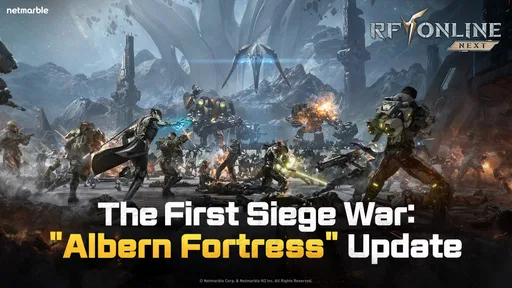
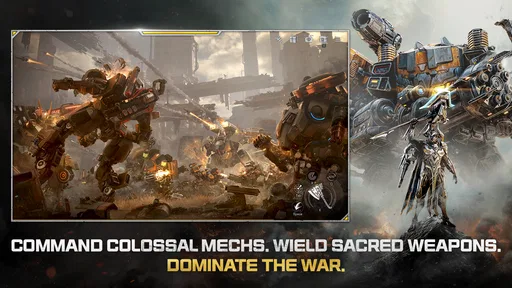
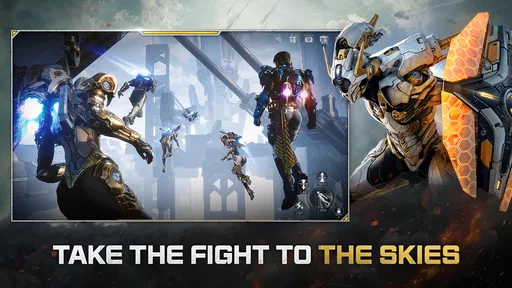
- Large-scale battles make the world feel active and competitive.
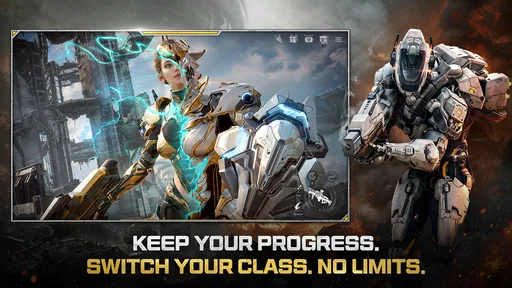
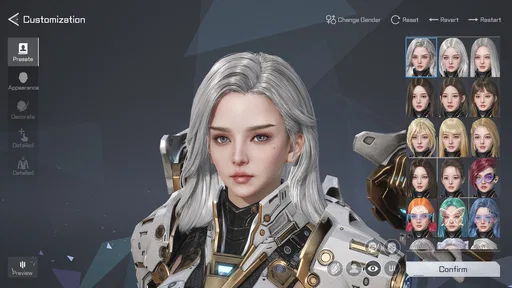
- Multiple classes and builds offer room for different play styles.
- Auto-combat helps reduce grinding during routine progression.
- The futuristic setting gives it a distinctive identity among MMORPGs.
- Guild content encourages teamwork and long-term community involvement.
Cons
- Progression can feel heavily dependent on time and resource investment.
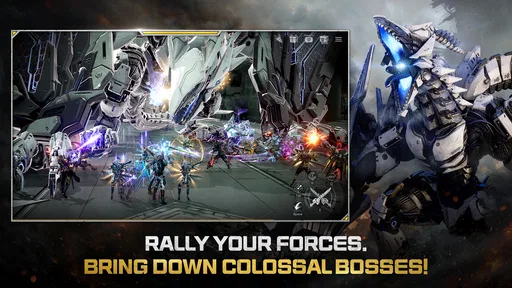
- Busy combat screens may become difficult to follow during major battles.
- The user interface can feel crowded
- especially on smaller phone screens.
- Competitive content may favor players who spend more on upgrades.
- Frequent online activity is needed to keep pace with stronger players.
FAQs for RF ONLINE NEXT
What is RF ONLINE NEXT?
RF ONLINE NEXT is a mobile and PC MMORPG set in a science-fiction universe where players join one of three rival factions and fight for territory, resources, and technological power. The game combines large-scale PvP, character progression, quests, equipment upgrades, exploration, and faction-based conflicts. Its appeal is strongest for players who enjoy persistent online worlds and competitive battles rather than short, casual sessions.
Is RF ONLINE NEXT free to download and play?
RF ONLINE NEXT is generally presented as a free-to-play title, allowing players to download the game without paying an upfront purchase price. However, availability, monetization, and included content can vary by region and platform. Players should expect optional in-app purchases or progression-related offers, so it is worth checking the store listing, payment settings, and age restrictions before downloading or making any purchase.
Does RF ONLINE NEXT require an internet connection?
Yes, RF ONLINE NEXT is an online MMORPG and requires a stable internet connection for most, if not all, of its gameplay. Your progress, character data, faction activities, events, and multiplayer battles depend on communication with the game servers. Wi-Fi is recommended for longer sessions, especially during large PvP encounters, because weak mobile data can cause lag, disconnections, or lost progress.
What kind of gameplay and PvP can players expect?
The game focuses on long-term character development, faction competition, missions, equipment improvement, and battles involving other players. Depending on the server and available content, players may encounter open-world conflicts, group activities, territory contests, and large-scale faction warfare. New players should be prepared for a more demanding experience than a typical mobile RPG, with progression systems and competitive encounters that reward regular play.
Can RF ONLINE NEXT run smoothly on every Android or iOS device?
Performance depends heavily on your device model, operating system, available storage, memory, and graphics capability. Because RF ONLINE NEXT features a persistent online world and potentially crowded battles, older phones or tablets may experience longer loading times, reduced visual quality, overheating, or frame-rate drops. Before installing, check the official store requirements, keep sufficient free space available, and use the latest supported system software.


